Europe
The Friedrich Naumann Foundation for Freedom Europe (FNF Europe) operates offices in Brussels, Prague, Vilnius, and Geneva.
By connecting EU experts, civil society, and decision-makers, we aim to foster open dialogue and explore liberal policy solutions to European challenges. In collaboration with our liberal partners, we create engaging formats and campaigns to promote fundamental rights, the rule of law, geopolitics, and geoeconomics. Additionally, we coordinate EU co-funded projects in areas such as the internal market, digitalization, and innovation.
News
-
Rebuilding Public Trust in the Digital Age
In an era of rapid digital transformation and rising disinformation, public trust in democratic institutions is under unprecedented strain worldwide. Young liberal leaders are showing how transparent algorithms, citizen-built civic tech, and digital literacy can rebuild confidence in democracy. Their approaches also offer Germany and other EU member states a blueprint for making digital governance both innovative and genuinely accountable.
-
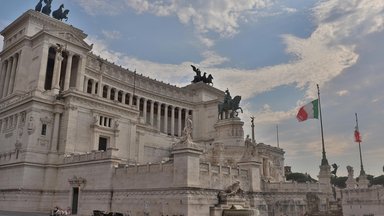
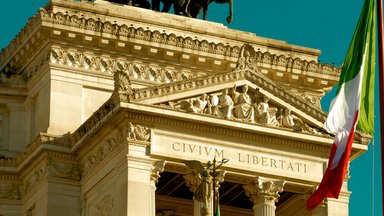
Balancing the Books and the Bloc: Why Italy’s Fiscal Shift Matters for Europe
Italy, a G7 and G20 member, and one of the world’s largest economies, is currently facing economic challenges. In response, the country is being urged to recalibrate its fiscal policy. Proposed measures include introducing of taxes in emerging sectors, offering tax relief for middle-income earners, and implementing a temporary levy on banks and insurance companies. Italy's economic trajectory holds significant implications for both Germany and the broader European Union.
-
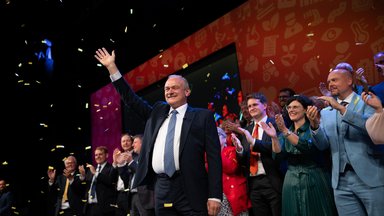
How liberals can win
A year ago, the Liberal Democrats have successfully established themselves as third-strongest force in the British Parliament. Here’s what they have done right.
-
What liberals should do to counter the rise of the radical right
How can liberals effectively counter the rising tide of the radical right in Europe? In this thought-provoking interview, political commentator Mark Thiessen explores bold strategies, communication pitfalls, and the urgent need to defend liberal democracy without losing its core values.
-
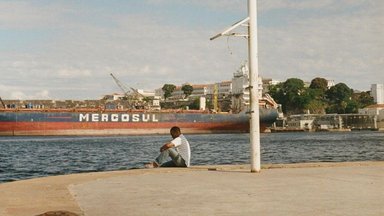
The Spanish-German Axis: A Strategic Driver of the EU-Mercosur Agreement
The EU-Mercosur free trade agreement is putting a strain on the traditional Franco-German axis, revealing disagreements between the two powerhouses. France, heavily influenced by its powerful agricultural sector, remains opposed. Germany, however, is actively pushing for the agreement's ratification. In this scenario, Berlin seems to have found a new strategic ally in Europe: Spain.
-
Dutch government collapse - a train crash in slow motion
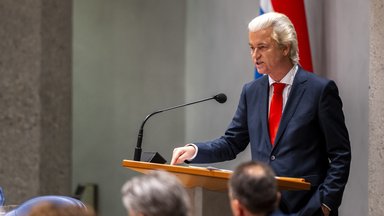
Less than a year after its formation, the Dutch government collapsed on Tuesday after far-right party leader Geert Wilders withdrew his party PVV and all of his ministers from the ruling coalition. The withdrawal leaves the government without a majority, leading Prime Minister Dick Schoof to step down and resign his entire cabinet. The Netherlands can now prepare for new elections.
-
How Brexit has caused a renaissance of European Liberalism
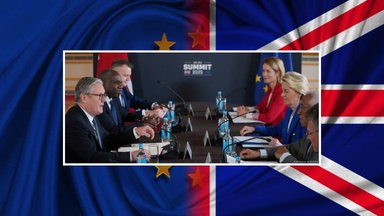
How can two separated partners find to one another after a break-up? How much time do they need? Where do they start? And might external factors accelerate the process of regaining trust? When looking at EU-UK relations in the post-Brexit era, there seemed to be only little prospect for actual reconciliation. Then, the Russian war of aggression against Ukraine, the election of President Trump in the United States, and the related geopolitical shifts followed and pushed the EU and the UK closer together again. The results of the recent EU-UK summit in London offers a glimpse of hope. But more than five years after the UK left the bloc, is a glimpse of hope enough for Europe? How does this development affect for Germany? And most of all: Can it be seen as a reset of European liberalism?

-
Perspectives for Europe 2050
What will a liberal Europe look like in 2050? How can we shape our continent’s future to reflect the values of freedom, democracy, and prosperity?
-
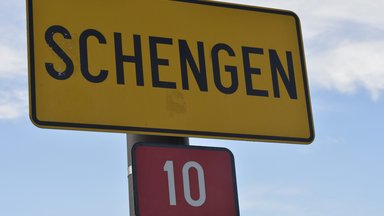
40 Years of the Schengen Treaty: Europe's Quiet Revolution and Germany's Strategic Lifeline
40 years ago, the Schengen Agreement was signed by Germany, France, Belgium, Luxembourg and the Netherlands. A review by Jules Maaten.
-
Coalition Momentum: A New Era for Liberals in Local Italian Politics
Italy held the first round of its local elections at the end of May, followed by the second round on June 8–9 across numerous municipalities in 14 of the country’s 20 ordinary-statute regions. The second round coincided with five national referendums on labor law and citizenship reforms, creating a politically charged weekend with both local and national implications.
-
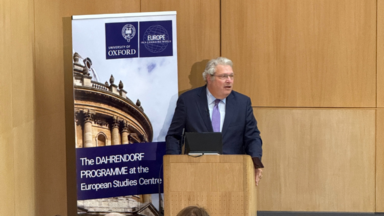
Europe is the only defender of the liberal world order
Ralf Dahrendorf, one of the central figures of modern-day liberalism, saw politics as a framework for imperfect people to live in freedom. Just a few months into the second Trump presidency, this notion may seem more challenging—but also more essential—than ever. The American role as leader of the free world has in many ways expired. Europe must urgently take on and secure new responsibility if it wants to fight for the liberal world order. To answer how, the American foreign policy expert and author Dr Robert Kagan was invited to present this year’s Dahrendorf Lecture at St. Antony’s College in Oxford.
-
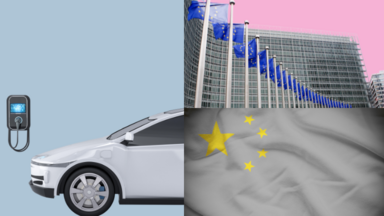
EU’s Risky Business:
Chinese electric vehicles are entering the EU at record speed – affordable, appealing, and state-subsidised. But behind the sleek designs lies a web of economic, ethical, and security risks that threaten Europe's industry, data protection, and core values.
-
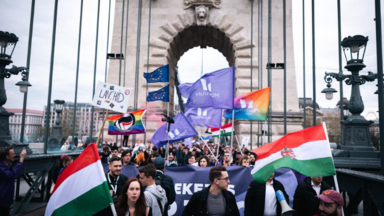
Budapest Pride Ban: Hungary's Escalating Crackdown on Civil Rights
Ahead of its 30th anniversary in 2025, Budapest Pride faces an unprecedented ban. Under the guise of “child protection,” Hungary’s government is restricting freedom of assembly and expression. This marks a deepening of democratic backsliding and sets a dangerous precedent for civil liberties across the European Union which immediately caused great concern amongst German and other European Liberals and LGBTQ+ advocates.
-
Portugal’s Power Shift: Right Bloc Ends Bipartisan Era
On May 18, Portugal held legislative elections for a new Parliament. The center-right coalition Democratic Alliance emerged as the winner, though it fell short of securing an outright majority. One of the most striking developments was the rise of the far-right party Chega that secured the same seats as the Socialist Party. The Portuguese liberal party, Iniciativa Liberal, reinforced its position as the fourth-largest political force.
-
Poland Faces Another Election: Will the Country Stay on the Path of Liberal Reforms?
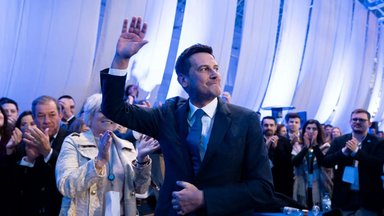
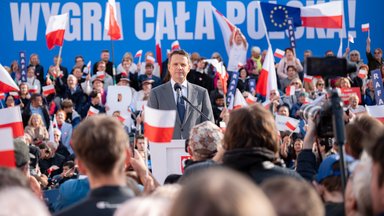
Almost two years after the change of power in parliament, Poles are now electing a new head of state. The presidential election will not only decide the political balance in the country, but could also decisively shape - or block - the reform course of Donald Tusk's government. Which direction will Poland take this time?
Social Media
-
4
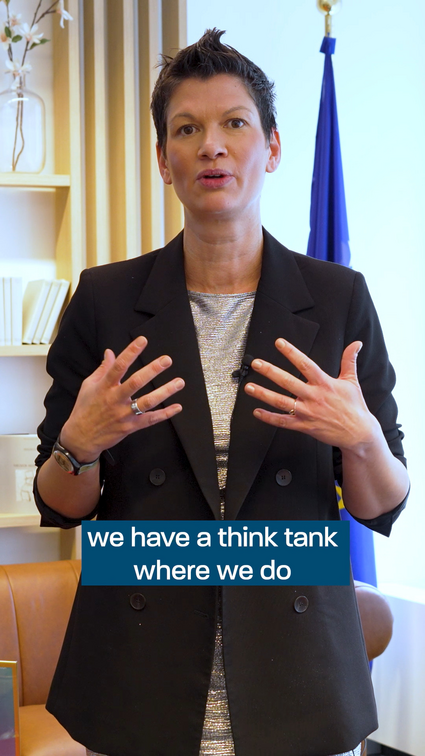
NB‼️ From 1 Feb, FNF Europe has restructured our social media presence 🛑 We will stop maintaining this current channel, now renamed fnfbrussels, while we keep it open. 🆕 You are cordially invited to follow our NEW channel of FNF Europe ➡️ @fnf.europe - the new bigger ONE European region after the merger of 2 regional offices. 🎥 Meet our Innovation Policy Lab Experts! 📊 Demography & Migration: Europe’s defining challenge Meet Helga Pattart-Drexler, Managing Director at NEOS Lab, she shares her views on how Europe can respond to ageing societies, labour shortages, and migration pressures with smart, humane, and future-proof policies. 🌟 Helga joined the European Liberal Forum – Friedrich Naumann Foundation for Freedom Innovation Policy Lab to explore how demographic shifts and migration trends will shape Europe’s next decade. 👀 Stay tuned for our upcoming publications! Co-financed by the European Parliament. #InnovationPolicyLab #Demography #MigrationPolicy #ELF #FriedrichNaumannFoundationForFreedom #FutureOfEurope #PolicyInnovation #Innovation
-
73
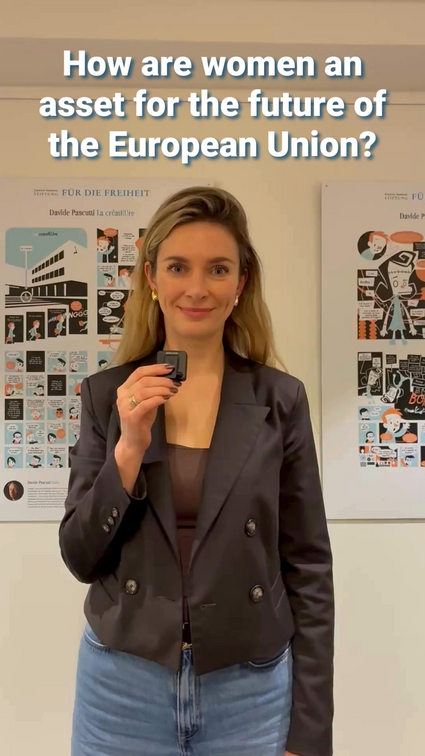
NB‼️ From 1 Feb, FNF Europe has restructured our social media presence 🛑 We will stop maintaining this current channel, now renamed fnfbrussels, while we keep it open. 🆕 You are cordially invited to follow our NEW channel of FNF Europe ➡️ FNF East and Southeast Europe (in process of being renamed now) - the new bigger ONE European region after the merger of 2 regional offices. ✨🇪🇺 “We cannot afford to waste women’s talent.” Joanna Burnos (LEADERIS) envisions a Europe where women’s leadership drives economic strength, security, and innovation — supported by real investment, mentoring, quotas, and community change. We rise when women rise. . #Europe2050 #VisionLab #WomenInLeadership #Equality #FNF
-
0
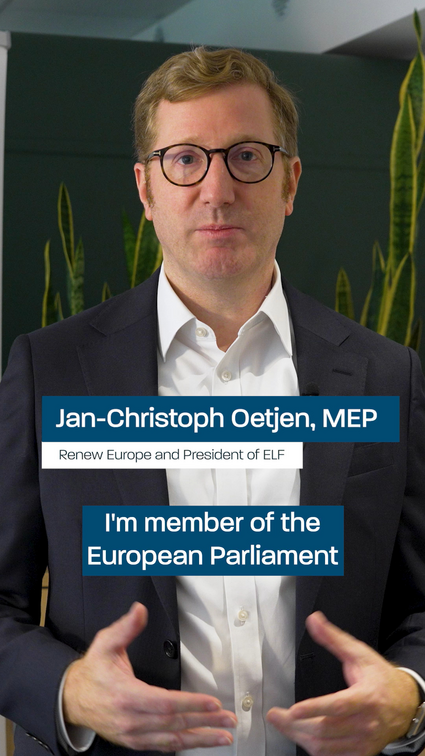
NB‼️ From 1 Feb, FNF Europe has restructured our social media presence 🛑 We will stop maintaining this current channel, now renamed FNF Brussels, while we keep it open. 🆕 You are cordially invited to follow our NEW channel of FNF Europe ➡️ FNF East and Southeast Europe *@fnf.esee (in process of renaming)- the new bigger ONE European region after the merger of 2 regional offices. 🎥 Meet our Innovation Policy Lab Experts! 📊 Demography & Migration: Europe’s defining challenge Meet Jan-Christoph Oetjen, MEP, Renew Europe and President of ELF, he shares his views on how Europe can respond to ageing societies, labour shortages, and migration pressures with smart, humane, and future-proof policies. 🌟 Jan-Christoph joined the European Liberal Forum – Friedrich Naumann Foundation for Freedom Innovation Policy Lab to explore how demographic shifts and migration trends will shape Europe’s next decade. 👀 Stay tuned for our upcoming publications! Co-financed by the European Parliament. . #InnovationPolicyLab #Demography #MigrationPolicy #ELF #FriedrichNaumannFoundationForFreedom #FutureOfEurope #PolicyInnovation #Innovation