Sub-Saharan Africa
The future of Africa is often regarded in a strangely unimaginative and pessimistic way. Yet Africa today is full of diversity, economic potential and innovative development.
However, the continent faces numerous challenges. As a liberal foundation, we believe that sustainable development depends on strong democratic institutions. Through our activities, we therefore promote liberal policies such as human rights, the rule of law, innovation, digitalisation and free trade.
From our offices in Johannesburg, Cape Town, Harare, Dar es Salaam, Nairobi, Abidjan and Dakar, we support partners in several African countries in advocating liberal values and implementing democratic structures.
News
-
Cape Town 2025 showcases bold ideas in just three minutes
Today, Cape Town became the stage for some of the brightest young minds in science, technology, and social innovation as the Falling Walls Lab Cape Town 2025 took place. This unique event challenged each finalist to present a groundbreaking idea in just three minutes, an idea capable of breaking down barriers holding society back. From health and education to sustainability and entrepreneurship, the pitches highlighted the power of bold thinking to reimagine the future. The Lab was proudly organised by the Friedrich Naumann Foundation for Freedom (FNF), with the support of esteemed partners, including the City of Cape Town Municipal Council, the University of Cape Town, and the Hasso Plattner School of Design Thinking Afrika (the ‘D-School’). Their involvement reflects a growing commitment to fostering innovation.
-
South Africa’s foreign policy in a turbulent world
Against a backdrop of global uncertainty and shifting power dynamics, the FNF hosted a compelling Freedom Dialogue with South Africa’s Minister of International Relations and Cooperation, Ronald Lamola. The event, titled In the Eye of the Storm, brought together diplomats from over 20 countries to discuss South Africa’s foreign policy challenges and opportunities ahead of its 2025 G20 presidency. Minister Lamola addressed key issues including US tariffs and trade diversification, the country’s constitutional sovereignty, and its multilateral, non-aligned stance through BRICS and the United Nations.
-
Germany’s Niklas Wagner on liberalism, youth activism, and South Africa’s lasting impact
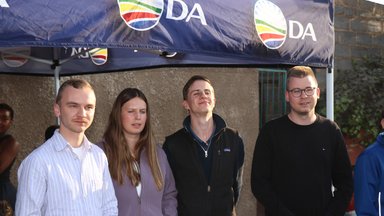
What happens when young liberal leaders from two very different parts of the world come together? For Niklas Wagner, a 23-year-old member of the Junge Liberale (JuLis) Federal Executive Board, a recent study tour to South Africa offered exactly that opportunity. Hosted by the FNF, the visit brought Wagner and fellow JuLis into dialogue with DA Youth and DASO activists in Johannesburg. Through workshops, debates, and direct community engagement, they explored shared challenges in democracy, civic participation, and global cooperation.
-
How Uganda’s diaspora is fighting for freedom ahead of 2026
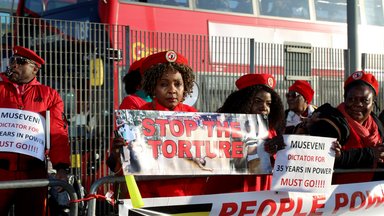
As Uganda heads toward the pivotal 2026 presidential elections, the diaspora is emerging as a powerful force for political change. From South Africa to the UK, Ugandan expatriates are mobilising support, raising funds, and using their voices to expose human rights abuses under President Museveni’s regime. The recent visit of opposition leader Robert Kyagulanyi (Bobi Wine) to South Africa reignited activism, with civil society, media, and diaspora chapters rallying around the call for a “protest vote.”
-
Delegation of the Democratic Alliance Visits Liberal Partners in Brussels and Berlin
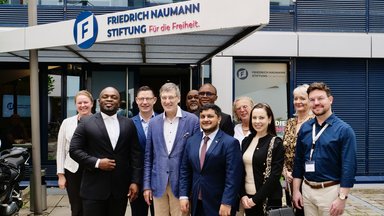
From 22–28 June 2025, a Democratic Alliance delegation visited Brussels and Berlin, hosted by the Friedrich Naumann Foundation. The trip strengthened ties with European liberal partners, focusing on cooperation, energy, and EU–Africa relations. Highlights included meetings with MEPs, EU officials, FDP leaders, and a “Liberal Afterwork” event featuring Deputy Finance Minister Ashor Sarupen. The visit underscored the importance of Global South–Europe liberal dialogue ahead of South Africa’s G20 presidency.
-
The tale of continued disillusionment of the youth
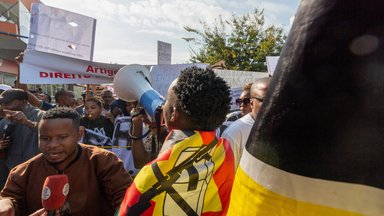
The need for political education will steer the youth in Mozambique towards real change in the country. Fifty (50) years into independence, youth policies that exist through the National Youth Policy do not address current challenges. Opportunities are missed by youth due to the language barrier in Mozambique, which is further exacerbated by unemployment and limited academic opportunities caused by a lack of exposure and daily, mounting poverty. These issues are further entrenched by systemic challenges to governance in the country.
-
Reimagining global finance
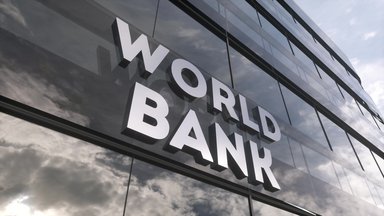
As debt distress tightens its grip on the Global South, 35 developing countries teeter on the brink of default with many now spending more on interest payments than on education or healthcare. At a high-level roundtable hosted by the Friedrich Naumann Foundation for Freedom, experts and policymakers examined the structural flaws of the global financial system, questioning whether it supports or stifles development. With rigid lending rules, outdated restructuring mechanisms, and growing pressure from both traditional and non-traditional creditors, the crisis is no longer just economic, it is profoundly social and political.
-
Chief Justice Koome backs International Anti-Corruption Court at FNF launch
At a landmark event in Nairobi, Chief Justice Martha Koome endorsed the proposed International Anti-Corruption Court (IACC), calling it a vital tool to combat grand corruption and kleptocracy across Africa. Speaking at the launch of a policy brief by FNF, Koome emphasised the failure of domestic systems to hold powerful offenders accountable, particularly those who hide illicit funds in offshore accounts. She argued that an international court is not only timely but essential.
-
The role of C20 in shaping an inclusive G20 2025
As South Africa prepares to host the G20 Summit in 2025, the world’s attention is on how this global event can drive meaningful change. The theme—Solidarity, Equality, Sustainability—highlights the need for inclusive policies that tackle pressing global challenges like inequality, climate change, and economic instability. But for real impact, the voices of everyday people must be heard. Civil Society Organisations play a crucial role in ensuring the G20’s decisions reflect the needs of all communities, not just governments and businesses.
-
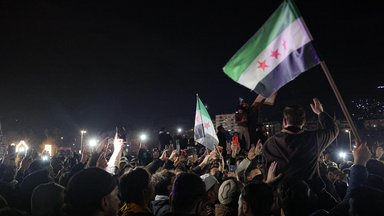
Dramatic Escalation of Violence in Syria Three Months After the Fall of the Assad Regime
Almost exactly three months after the fall of the Assad regime, the violence in Syria has escalated dramatically. Regional Office Director for the Middle East and North Africa, Jörg Dehnert, spoke to Rafif Jouejati, Vice President of the Syrian Liberal Party, about the dramatic developments in Syria.
-
Strengthening partnerships for sustainable growth
The Friedrich Naumann Foundation played a key role at the RenewPac Summit in Abidjan, focusing on governance, innovation, and strengthening EU-Africa partnerships. Key discussions included climate resilience, economic development, and fostering political participation among women and youth. FNF led a session on "The Next Big Idea," driving transformative ideas for collaboration, and co-hosted a workshop on empowering women in politics.
-
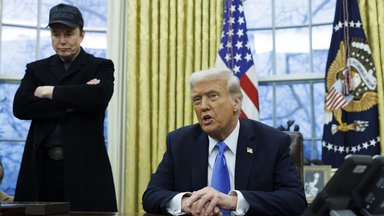
Under fire: How Trump & Co. are interfering in South Africa's land rights debate
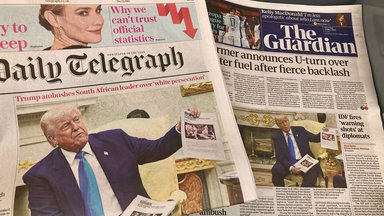
The criticism from the USA is less a matter-of-fact debate than a declaration of war; for the debate has a geopolitical dimension. South Africa, this year's host of the G20 summit, is a founding member of the BRICS community of states. The South African governing party, the ANC, has maintained close relations with Russia and China for years. South Africa has also brought a lawsuit against Israel before the International Court of Justice for genocide in Gaza.
-
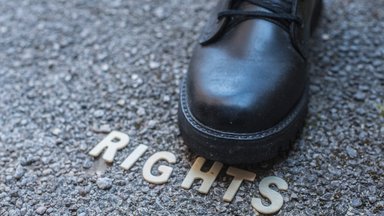
Are Trump's policies holding human rights organisations hostage?
Since President Donald Trump’s executive order halting US-backed funding to various aid agencies, many recipient organisations are grappling with its impact. Much has been written about programmes including health response, humanitarian aid, security enforcement, and advocacy support. Beyond work practicalities, thousands of livelihoods hang in the balance amid the uncertainty of their futures.
-
Strengthening African democracies: Lessons from the continent
Africa’s journey toward democratic governance has been marked by progress, setbacks, and invaluable lessons. Since the wave of independence in the mid-20th century, the continent has seen an evolution in governance models, with democracy gradually becoming a central aspiration for many nations. While challenges persist, there is a growing recognition of the need to strengthen democratic systems, enhance accountability, and ensure governance that serves the people.
-
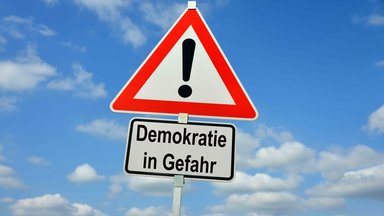
Disinformation wars: Protecting democracy in Africa’s digital age
Research by Chinasa T. Okolo, a fellow in the Center for Technology at Brookings suggests that advances in digital technology within Africa has inadvertently created an opportunity for the proliferation of disinformation across the continent. Generative Artificial Intelligence (Generative AI) is being used as a tool to advance disinformation through the creation of content that manipulates public opinion, and spreads false narratives, posing a direct threat to democracy.



Social Media
-
13
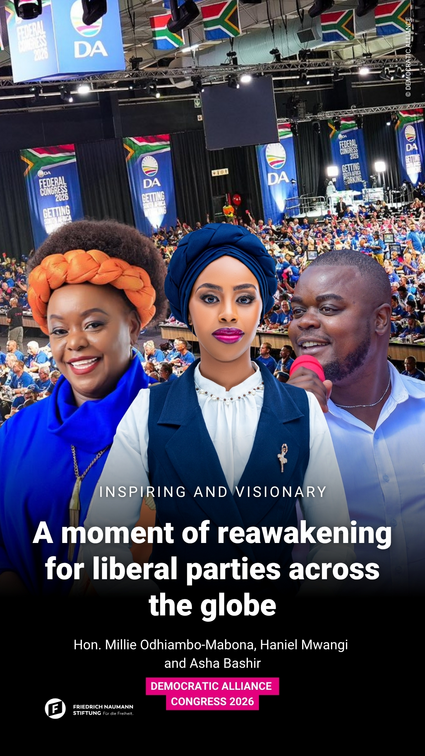
A delegation from Kenya, representing the Orange Democratic Movement (ODM) and the People's Liberation Party (PLP), attended the DA Federal Congress to exchange insights on navigating complex political landscapes. With Kenya facing unique governance challenges, the delegation highlighted the importance of maintaining a distinct liberal identity while in coalition. The DA’s ability to stay focused on service delivery and professional organization serves as a powerful "reawakening" for liberal parties worldwide. Key Takeaways: Identity in Coalitions: Staying true to core values while navigating power-sharing. Professionalism: Learning from the top-notch discipline and organization of the DA. Global Mission: Restoring dignity and honor to citizens through liberal service. #KenyaPolitics #ODM #PLP #Liberalism #DAFederalCongress #Leadership #AfricanDemocracy #PoliticalStrategy
-
13
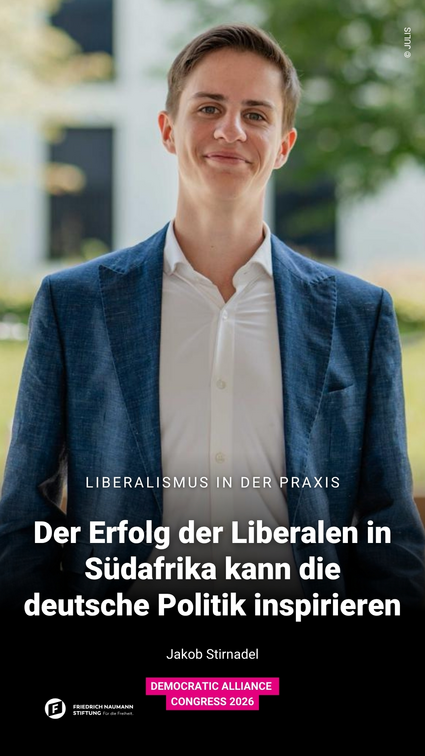
„Wir erleben hautnah, was Liberalismus und Demokratie wirklich bedeuten.“ Jakob Stirnadel, Vorsitzender des Afrika-Teams der Jungen Liberalen Junge Liberale JuLis in Deutschland, teilte seine Eindrücke vom Bundesparteitag der Democratic Alliance mit. Für Jakob war die Veranstaltung eine eindrucksvolle Erinnerung daran, dass weltweit die Chance besteht, liberale Werte auf eine neue Ebene zu heben. Zu sehen, wie eine liberale Mainstream-Bewegung in Südafrika gedeiht, bietet eine neue Perspektive und neue Energie für die Arbeit, die zu Hause in Deutschland geleistet wird. Schlüsselthemen: Lebendige Demokratie: Zu sehen, wie liberale Prinzipien in großem Maßstab angewendet werden. Globale Chance: Das Potenzial des Liberalismus zu erkennen, sich weiterzuentwickeln und weltweit eine Führungsrolle zu übernehmen. Kontinentübergreifendes Lernen: Den „Johannesburg-Spirit“ zurück in die politischen Diskussionen in Europa zu bringen. #Liberalismus #AfricaTeam #Julis #GlobalPolitics #DAFederalCongress #Südafrika #Deutschland #DemokratischeWerte
-
12
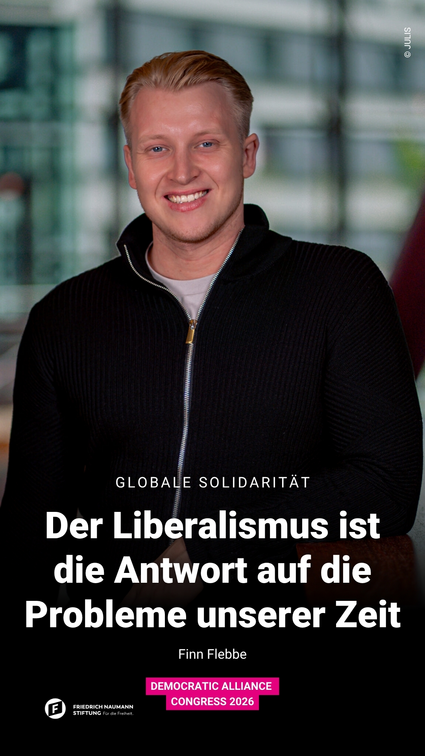
In einer Zeit, in der liberale Demokratien weltweit zunehmendem Druck ausgesetzt sind, teilte Finn Flebbe, Bundesvorsitzender der Junge Liberale JuLis in Deutschland, während seines Besuchs auf dem Bundesparteitag der Democratic Alliance (DA) bewegende Gedanken mit. Das Wachstum der DA zu einer etablierten politischen Kraft in Südafrika bietet eine eindrucksvolle Blaupause für liberale Bewegungen weltweit. Für Finn ist der Erfolg der DA mehr als nur eine lokale Errungenschaft – er ist eine Quelle der Hoffnung und eine Erinnerung daran, dass liberale Werte nach wie vor die wirksamste Antwort auf die Herausforderungen unserer Zeit sind. Wichtige Höhepunkte: Erfolg im Mainstream: Der Wandel des Liberalismus von einer Randerscheinung zu einer zentralen politischen Säule. Globale Inspiration: Die Lehren aus Südafrika auf den europäischen Kontext übertragen. Hoffnung für die Demokratie: Das Bekenntnis zu liberalen Werten inmitten globaler Unsicherheit erneuern. #Liberalismus #YoungLiberals #Julis #DemocraticAlliance #GlobalDemocracy #PoliticalLeadership #SouthAfrica